











You’ve been through the registration chaos. You’re a victim of the parent emails about schedule conflicts. You have experienced a volunteer burn out mid-season because the administrative load was too heavy. If your board is finally ready to install specific software, so be it. However, not every platform is created equal, and the wrong platform comes with a price tag that goes beyond just dollars.
The short answer: The ideal youth sports league management software integrates registration, scheduling, communication, payments, and volunteer management. Focus on usability of the non-technical volunteers, mobile usability and a clean parent view. Don’t use tools that need a lot of training, or that have a lot of per-feature charges.
Why the Right Software Decision Is Harder Than It Looks
League boards frequently don’t know what the term “league management” entails. Not only is it about scheduling games, but (of course) not spreadsheets.
The actual operating load consists of:
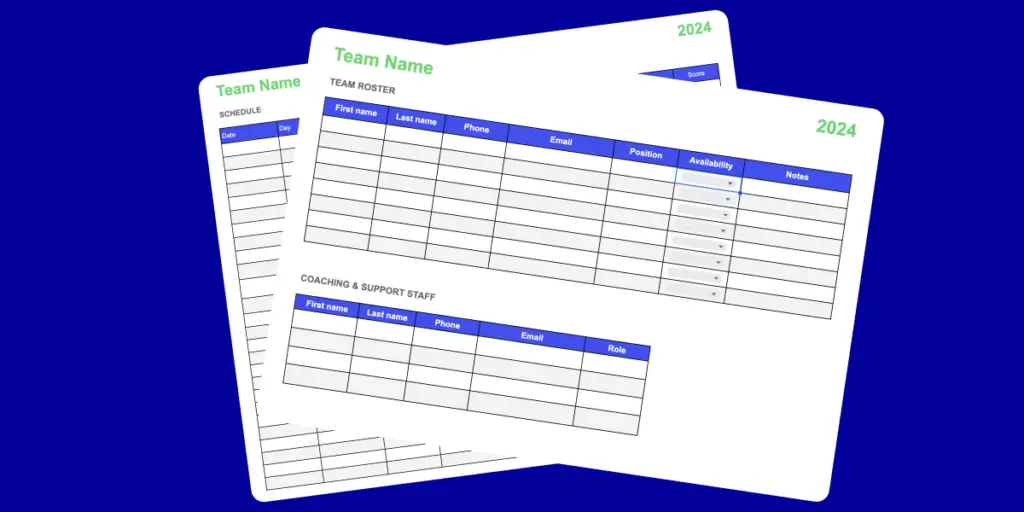
Registration management — no chasing families for forms, waivers, or registration fees!
Scheduling – avoiding field conflicts, coach availability gaps, and back to back game problems
Communication – real-time notification of cancellations, changes and standings changes to parents
Tracking volunteers, including role assignments, verification of participation and minimizing no-shows.Tracking volunteers, including role assignment, verification of participation and minimizing no shows.
Financial reporting – Matching up registrations to expenses by season.
Most boards find out mid-season that they can do 2 or 3 of these very well, and not the other ones.

Feature-by-Feature Comparison: What to Prioritize
| Feature | Must-Have | Nice-to-Have | Skip If Budget Is Tight |
| Online registration & waivers | ✅ | — | — |
| Integrated payment processing | ✅ | — | — |
| Automated scheduling | ✅ | — | — |
| Parent/player mobile app | ✅ | — | — |
| Volunteer management module | — | ✅ | — |
| Custom reporting & exports | — | ✅ | — |
| Multi-sport / multi-division support | — | ✅ | — |
| White-label branding | — | — | ✅ |
| Built-in live scoring | — | — | ✅ |
How to Evaluate Software Before Your Board Commits
Always begin with the problems not a list of features. All vendors will demonstrate a clean demo. It’s up to you to test it with the three or four difficulties from your past season.
Convert non-technical volunteers to the trial. When it takes your most tech-averse board member more than five minutes to run through a test registration, you’ve got a solution. The best youth sports league management software doesn’t need a manual to operate.
Directly inquire of the parent’s experience. The administrative aspects of the commissioners are sometimes the focal point. However, if parents are confused about the register, the help desk doubles its load. Ask the parent to show you how the walkthrough works—this is not the admin walkthrough.
Be sure to read the price policy. Rates for per-participant fee are small. Take them times the 300 registrations times the two seasons, and compare to a flat annual subscription! Where league budgets bleed quietly are hidden per-feature costs.
Don’t settle for a knowledge base, demand real support! Nights and weekends have youth leagues. Check if there is live support at time of real problems.

The League Time Advantage
The sole purpose of League Time is to support the organizing of sustainable, well organized leagues, by community organizers, volunteers, commissioners and board members alike, without burning out themselves. Our resources are based on actual operational experience and tools are created around how leagues actually operate. If you’re just beginning to consider the top youth sports league management software solutions, you can begin with our free guides and planning resources at leaguetime.com.
Ready to build a league that runs itself? Explore League Time’s resources →