
- What to Look For in the Best Youth Sports League Management Software

You’ve been through the registration chaos. You’re a victim of the parent emails about schedule conflicts. You have experienced a volunteer burn out mid-season because the administrative load was too heavy. If your board is finally ready to install specific software, so be it. However, not every platform is created equal, and the wrong platform comes with a price tag that goes beyond just dollars.
The short answer: The ideal youth sports league management software integrates registration, scheduling, communication, payments, and volunteer management. Focus on usability of the non-technical volunteers, mobile usability and a clean parent view. Don’t use tools that need a lot of training, or that have a lot of per-feature charges.
Why the Right Software Decision Is Harder Than It Looks
League boards frequently don’t know what the term “league management” entails. Not only is it about scheduling games, but (of course) not spreadsheets.
The actual operating load consists of:
Registration management — no chasing families for forms, waivers, or registration fees!
Scheduling – avoiding field conflicts, coach availability gaps, and back to back game problems
Communication – real-time notification of cancellations, changes and standings changes to parents
Tracking volunteers, including role assignments, verification of participation and minimizing no-shows.Tracking volunteers, including role assignment, verification of participation and minimizing no shows.
Financial reporting – Matching up registrations to expenses by season.
Most boards find out mid-season that they can do 2 or 3 of these very well, and not the other ones.

Feature-by-Feature Comparison: What to Prioritize
Feature Must-Have Nice-to-Have Skip If Budget Is Tight Online registration & waivers ✅ — — Integrated payment processing ✅ — — Automated scheduling ✅ — — Parent/player mobile app ✅ — — Volunteer management module — ✅ — Custom reporting & exports — ✅ — Multi-sport / multi-division support — ✅ — White-label branding — — ✅ Built-in live scoring — — ✅ How to Evaluate Software Before Your Board Commits
Always begin with the problems not a list of features. All vendors will demonstrate a clean demo. It’s up to you to test it with the three or four difficulties from your past season.
Convert non-technical volunteers to the trial. When it takes your most tech-averse board member more than five minutes to run through a test registration, you’ve got a solution. The best youth sports league management software doesn’t need a manual to operate.
Directly inquire of the parent’s experience. The administrative aspects of the commissioners are sometimes the focal point. However, if parents are confused about the register, the help desk doubles its load. Ask the parent to show you how the walkthrough works—this is not the admin walkthrough.
Be sure to read the price policy. Rates for per-participant fee are small. Take them times the 300 registrations times the two seasons, and compare to a flat annual subscription! Where league budgets bleed quietly are hidden per-feature costs.
Don’t settle for a knowledge base, demand real support! Nights and weekends have youth leagues. Check if there is live support at time of real problems.

The League Time Advantage
The sole purpose of League Time is to support the organizing of sustainable, well organized leagues, by community organizers, volunteers, commissioners and board members alike, without burning out themselves. Our resources are based on actual operational experience and tools are created around how leagues actually operate. If you’re just beginning to consider the top youth sports league management software solutions, you can begin with our free guides and planning resources at leaguetime.com.
Ready to build a league that runs itself? Explore League Time’s resources →
- How To Get Local Sponsors For Your League

Building relationships with local business is key to making sure you can develop a long lasting sustainable sports league. It’s important because you get money that helps purchase jerseys, field time, equipment, all of the things that are basic requirements for a league. Beyond that though you get participants, volunteers, spectators, in short the community buy-in that is vital for making something enjoyable and long lasting. A lot of this will come naturally from through the connections people have with the league but you will need to get comfortable with reaching out to local businesses and being able to lay-out the benefits that they will get for helping sponsor your league or team.
Step 1. Figure out your Needs
Take some time to plan out and budget out everything that you need for a successful season. You can even break this down into needs and wants.
Hard Goods – uniforms, equipment, trophies, transportation, snack bars, etc.
Volunteers and Referees – break down the time commitments and professional help you will need, make sure to factor in tournaments.
Field/Space/Arena rental – schedule out you time requirements account for things like rain-outs
This will help you build a sponsorship package or packages that makes it easier for a business to see the value and say yes.
Step 2. Think About Your Approach
Build a list of potential candidates or types of candidates. Make it easy for them to say yes, most of the time they want to anyway you just need to give them a good reason.
Type of Business Why They Might Care Example Pitch Sporting goods stores Participants will be more likely to pick up things they need for the league there. “By seeing your store at every game and practice they will be reminded of who supports them and support you in turn” Restaurants & cafés Want foot traffic from parents and players “What better way to remind them where they can go to celebrate a victory” Health & fitness centers They can directly market to their target audience, people interested in fitness “Your logo will remind them where they can go to practice and train” Local banks/credit unions
Build good will with the community“Families and spectators are going to remember who made their great memories possible” Auto shops & dealerships Their logo in everyone’s photos “Everyone will see their brand in the photos people took at games and posted to social media” While you walk or drive around your town start making a list of places to approach, if you have a mailing list this can be a great place to let people know that there are advertising opportunities available. Put yourself in their shoes and think about their reason for why to join.

Step 3. Outreach
Take your research from above and start testing it. Reaching out in person is ideal but a short email or letter can work well too. Here’s a sample of what you can say:
Subject: Sponsor your local football club!

Hi Dave,
I'm _____ and I help organize the Apple Valley Sunday football league that brings together over 100 kids, parents and family members from our neighborhood every week. We’re looking for community partners to help us cover costs for field rentals and jerseys. I thought of you and think that your business GBR would be a perfect fit.
In return, we’re happy to display your logo on our team jerseys, put up a banner at our field for the entire season and put up a link to your website on our Facebook page.
I know you are a big supporter of this community and I think this would be a great way of showcasing that. Your Logo will be in all the photos that people post and a good reminder of what local business support does for a community.
Would you be open to a quick chat next week to discuss how we can work together?

Thank You So Much!
Best,
______
[Phone] | [Email]
Doesn’t need to be fancy or long, just something that gets the job done.
Step 4. Follow Up, No Response Doesn’t Always Mean No
Follow back in a week or so if you haven’t heard back. People are busy and things can slip through the cracks.
Step 5. Make it Worth Their While!
When a sponsor says yes, put their name out there immediately-
Take a photo of the sponsor’s logo on the jersey and post it with a thank‑you caption on Facebook or Instagram.
Get a Jersey or Display that they can put up in their office.
Invite them to a game and make a point of shouting them out in-front of everyone so they can see the appreciation that people have for them.
Recognition builds a relationship that can last season after season.
Step 6. Keep Track and Report Results
Make sure you are writing down all the important info to pass on or just repeat next year.
Business name, contact, amount pledged and what they receive in return.
A brief impact note (e.g., “$500 helped us purchase 30 new baseballs, allowing every player to have a glove”).
At the end of the season, send a thank you along with something about their impact- “Thanks to your support, the league grew from 8 to 12 teams” We couldn’t have done it without you and there is a lot of folks out their that are glad we have your business in town!

Step 7. Turn One Sponsor Into Many
Every business owner knows other business owners, you want them to think of you when someone asks them what they can do to help grow their business in the community. Remember to take care of the business owners and they will take care of you.
That’s it. Doesn’t need to be complicated. Like so much stuff in life it’s just about putting out the effort and you will find some people to help support you. Don’t forget to involve the help of those in the league and around it. You most likely have a source of people happy to jump in and sponsor or recommend someone!
- Why Your Sports League Spreadsheet Template Is Working Against You

You have the best of intentions. A clean sports league spreadsheet template, color-coded tabs and possibly even some formulas that you’re proud of! However, during the course of the registration season to game day, things went haywire. There was an error where a parent mailed in an incorrect version. Some funds went missing. A cell in the schedule was accidentally edited, and half the schedule is now incorrect.
Sound familiar? You’re not alone – and it’s not the spreadsheet, per se. The issue is the problem you’re asking.
Quick Answer: For a small, occasional sports league, a sports league spreadsheet template will be OK. For leagues that are held on a regular basis and are using spreadsheets for multiple registrations, payments and schedules for multiple teams, it causes more problems than it solves. They are a liability, not a tool, especially since they are hard to get right, difficult to keep up with changes, and are not automated.
Why Spreadsheets Break Down Under League Pressure
Spreadsheets are created for data analysis purposes. Not for running a live, multi-team sports operation with a dozen or so moving parts, of which a number are not data professionals.
Here’s where things go sideways:
Version chaos: With five board members working on a file, one of them will always be using yesterday’s version.
No real-time updates: If the coach changes his roster at 9 pm, he won’t see the change until the next morning — or indeed ever!
No audit trail: If someone deletes a row, there’s no way to know who did it.
Manual payment tracking: Managing league payments with spreadsheets and Venmo screenshots is messy, stressful, and time-consuming.
Human errors add up quickly: One small mistake can affect standings, schedules, and team communication.
When your league grows, these problems become bigger.
Spreadsheet vs. Dedicated League Management: A Direct Comparison
Feature Sports League Spreadsheet Template Dedicated League Tools Real-time roster updates No Yes Automated payment tracking No Yes Conflict-free scheduling Manual only Automated Multi-user access control Limited Role-based Communication integration No Yes Error recovery / audit log No Yes Scales with league growth Poorly Designed for it

How to Reduce Spreadsheet Dependency Right Now
Audit What You’re Actually Tracking
Be sure to list all the spreadsheets your league uses. Registrations, payment, schedules, rosters and volunteer assignments. Most leagues find that they have multiple data files in existence, each containing the same data.
Centralize Communication First
Put a stop to the emails of spreadsheets being sent out in updates. Don’t use multiple sources of truth (e.g., inbox attachments; a shared folder is better). This is just one of the ways that version conflicts are significantly reduced.
Separate Financial Tracking Immediately
Avoid having payment records in the same file as your schedule. Clean financial records are a non-negotiable when audits occur, and when they do, it will be the club treasurer’s case to answer to. Save these in a special tool or, at least, a separate document that is kept in an accessible place but not in the same location where students can see them.
Build Templates That Break Gracefully
If using a sports league spreadsheet template is a short-term solution, protect the key cells, freeze the formulas and label all tabs. Future-you (or your successor) will be grateful.
The Smarter Path Forward
Spreadsheets were in vogue for a while. However, it is not easy to operate a growing sports league on them, for example, as a coach sitting in the bleachers—but you’re not really in control.
League Time gives organizers the tools, frameworks and resources to go beyond the patchwork approach. Whether you’re planning your registration, managing your league or community members, or just looking to stick with sustainable league operations, League Time is designed for the people who actually do the work—your volunteers, board members, and community organizers—who need things to work without a manual.
Ready to run a tighter league? Explore League Time’s resources at leaguetime.com and see what organized looks like.
- 5 Sports Scheduling Mistakes Ruining Your Season and How to Fix Them

You’ve got teams registered, fields confirmed, and volunteers lined up. After that, the timetable goes out the window and everything goes awry. Double-booked fields. Families receiving late change notification. Referees who are on-site to the incorrect location. Sound familiar?
Poor scheduling will not only cause participant frustration; it will also cause a loss of man-hours. It erodes trust and hampers retention, and slowly kills leagues from within. We’re not talking about spreadsheets, although these are typically part of the issue. The right sports league scheduling software does all of this! That is where the majority of organizers make their mistake.
Quick Answer: The top 5 sports scheduling errors are: not considering field availability issues, not taking into account rest days between games, communication problems, manual rescheduling without version control, and not considering participants’ schedules during scheduling. They are all preventable if they can be planned and the appropriate tools used.
Why Scheduling Failures Hurt More Than You Think
Not following a schedule is more than a nuisance, it has consequences:
Dropout rates climb. Logistics can create problems, making the families to walk out halfway through.
Volunteer burnout spikes. Coordinators spend hours dealing with complaints, rather than running a great league.
Reputation takes a hit. In small, closed communities, word gets around very quickly. A bad season can leave a bad taste in your mouth.
Revenue shrinks. Scheduling chaos is followed by refund requests, low re-registration and poor perception of the sponsors.
It’s not people working hard; most organizers work very hard. The issue is the process.
The 5 Mistakes—Compared Side by Side
Scheduling Mistake Common Cause Real-World Impact Field double-booking Manual entry errors Games cancelled day-of No built-in rest days Tight bracket building Player fatigue, injury risk Inconsistent communication No centralized notification Missed games, angry parents Manual rescheduling (no version control) Spreadsheet edits Conflicting schedule versions circulating Ignoring participant availability Registration doesn’t collect it Teams forfeiting due to conflicts
How to Get It Right: Practical Fixes for Each Mistake
1. Lock Field Availability Before Building the Schedule
Before assigning a single game, map each field, hours and blackout dates. Don’t assume that the venue will be available; it’s a deal-breaker, not an add-on.
2. Build Rest Days Into the Bracket Template
Youth players have a special need for recovery time. Don’t perform a manual check of 48-hour minimums at the end of your scheduling rules, but make it part of the rules themselves.
3. Use One Communication Channel—and Stick to It
Choose one type of notification system. That can be via email, SMS, or app—anything, but the same is best. When families aren’t sure where to get updates from, they stop checking.
4. Version-Control Every Schedule Change
All reschedules should be recorded and synced to all stakeholders at the same time and with a timestamp. When two versions are on the loose, chaos ensues.
5. Collect Availability at Registration
Request blackout sign-up dates. 60 seconds per participant and hours of ‘reactive’ rescheduling later.

The Right Tools Make This Manageable
The truth is, a lot of these errors occur when organizers are trying to deal with too many moving parts using tools that were not designed for this purpose. While these will get you started, calendars, group texts, and spreadsheets will not scale.
Conflict detection, communication, and a single source for truth on any and all changes to the schedule are all automated by sports league scheduling software designed specifically for community leagues. That’s the transition, from firefighting mode to proactive and confident season management.
League Time has tools created exclusively for organizers like you who are thinking about your next season and want to avoid the frustrating headaches. Explore the blog and guides at leaguetime.com to start building a smoother, stronger season.
- Single vs. Double Elimination Brackets: Which One Actually Fits Your Tournament?
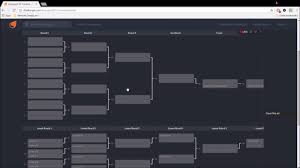
After having secured the venue, confirmed the teams, you’ve got the big question on your mind that even veteran organizers get wrong: Single or double elimination? Easy to say, but the selections can cause teams to go into a rage, schedules to get thrown out of whack, or players to hit the road home after losing one game. It is not just an issue of formatting that there is a debate between a single vs double elimination bracket. It helps mold the entire experience of the participants from pre-match to post-match.
Quick Answer: A single elimination bracket will eliminate all losers immediately, quickly, easily and cleanly. Quicker the game and more fair, especially with a double elimination bracket that allows every team to play in two contests before they are eliminated. It depends on the size of the team, the time you have and what you want your participants to get out of the event.
Why Your Bracket Format Matters More Than You Think
If you select the wrong structure, you’ll know about it in the complaints, in scheduling problems and in teams which do not return next season. Actually, what’s on the line is:
Participant satisfaction: Teams who are from a long distance away and lose in round 1 feel cheated. One-and-done formats sting.
Scheduling pressure: Double elimination can almost double the number of games. This must be matched by referees, courts and fields.
Budget alignment: As the number of games increases, the number of club officials required also increases, as does the number of hours spent in facilities and the number of volunteer hours required.
Skill level and age: Younger or more recreational players may find they have more to gain from additional opportunities than competitive brackets do.
Single vs Double Elimination Bracket: A Side-by-Side Breakdown
Factor Single Elimination Double Elimination Games per team (minimum) 1 2 Total games (8 teams) 7 13–15 Time required Short Significantly longer Administrative complexity Low Moderate to high Perceived fairness Lower Higher Best for Large fields, tight schedules Smaller fields, invested participants Risk of early upsets ending event High Low The single vs double elimination bracket trade-off is essentially time vs. fairness. Neither format is wrong—they’re built for different goals.
Choosing the Right Format: A Practical Decision Framework
Step 1— Count your Teams and your Hours. Single elimination is the only feasible tournament for you if you are playing 16+ teams and only have one day to play the tournament. With 16 teams, there can be 30+ games in a double elimination. Calculate the numbers first before betting.
Step 2 — Understand your audience. Recreational and Youth tournaments tend to be double elimination. Single elimination—high stakes, clean bracket events are expected at competitive or college level.
Step 3 — Build your schedule backward. Begin with the hardest end time then add in the roundabout and game length. If double elimination doesn’t go smoothly, single elimination is not a deal breaker; it’s the right choice.
Step 4 — Communicate the format early. For teams, itinerary, hotel, and availability need to be planned. Explain the single vs double elimination bracket format at registration and NOT the week before.
Set Up and Run Your Tournament with League Time
Managing brackets by hand, especially double elimination, is where errors pile up fast. League Time will equip and guide community sports organizers to plan and host tournaments without the hassle of administration. League Time can help organizers create their bracket, communicate with participants, and much more.
Explore the full library of league and tournament resources at leaguetime.com and build your next event on a stronger foundation.
- How Sports Roster Verification Software Stops Roster Fraud Cold
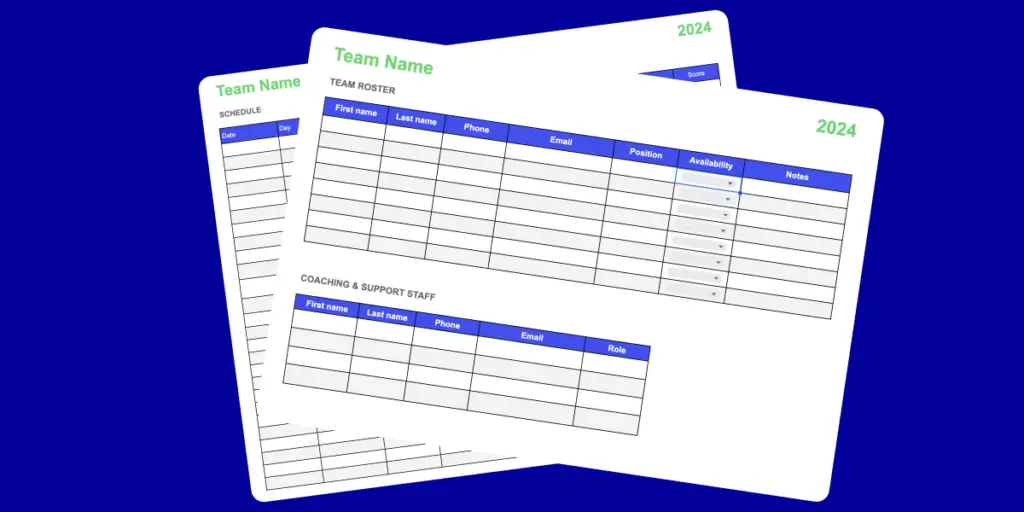
You’ve seen it happen. A team shows up with a player who aged out of the division months ago—or a ringer from another club in the vicinity! As soon as it is found you have lost your credibility, coaches are angry and the bracket is blown. One of the most disheartening challenges in running an amateur tournament is rosters or claims of eligibility and they can be avoided. Sports roster verification software is designed just for this: to detect discrepancies prior to the first whistle, not after the trophy is handed out.
Direct Answer: When competition starts, sports roster verification software will automatically compare a player’s age, division eligibility, and registration data with your league’s rules. It identifies suspicious or duplicate registrations, reduces manual data entry mistakes and retains an audit trail of data entries that is time-stamped, which helps protect organizers and athletes.
Why Roster Fraud Happens More Than You’d Think
Sometimes it’s not necessarily the case of being dishonest. It’s usually the hassle of administration.
Paper and spreadsheet rosters are easily changeable and are difficult to immediately audit.
Mistakes are often caused by age cut-off confusion between the different governing bodies, resulting in the disqualification of honest people.
Manual checks are not seen by multi-team players when they register with different names.
When the registrar is under time pressure on game day, they have to make hasty decisions on which players to add, without adequate vetting.
If it’s not for a sports roster verification software, each of these situations will end up on your desk—typically in the middle of the tournament, at the least convenient time.
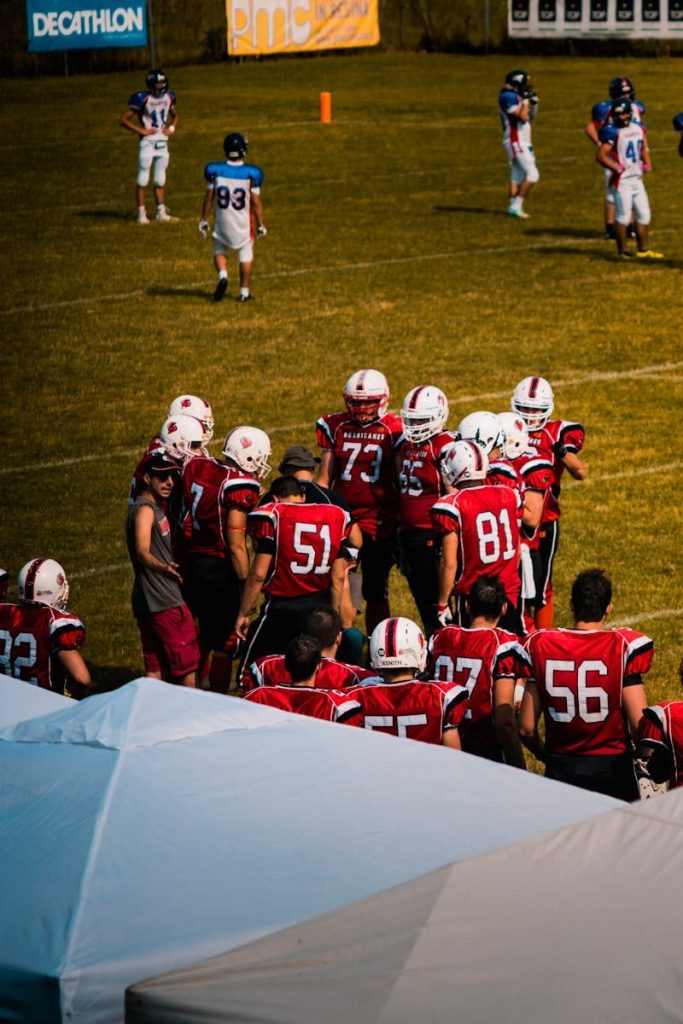
Manual vs. Automated Verification: A Direct Comparison
Factor Manual Process Sports Roster Verification Software Verification time (20-player roster) 45–90 minutes Under 5 minutes Human error rate High Near zero Duplicate player detection Manual cross-reference Flagged automatically Audit trail Paper or email threads Time-stamped digital records Protest resolution speed Slow, often inconclusive Immediate document retrieval How to Build a Verification Process That Actually Holds Up
Establish guidelines prior to the opening of registration. Make all age limits, residency criteria, transfer periods, etc., explicit. Eligibility disputes occur when there is ambiguity.
Collect verified documents at sign-up, not on game day. Ask for birth certificates and/or government-issued IDs at registration and correlate this to a player record in your system.
Do automated checks prior to publishing the bracket. Sports roster verification software alerts to anomalies as soon as registration closes – before teams have booked their hotel or booked travel dates.
Set up a protest/review procedure. No matter how well-engineered, any system can have problems. A documented and time-stamped review process will settle disputes quickly and safeguard all parties.
How Sports Roster Verification Software Scales With Your Tournament
Manual checks don’t scale. Sports roster verification software will store all players’ information in one place, automatically calculate the age of the players based on your cut-off dates, and cross-check registrations between events to prevent duplicate problems. Instead of three registrars cross-referencing spreadsheets at midnight before the brackets are released, one person checks a clean exception report. Rather than three registrars checking spreadsheet cross-references before release at midnight, one person checks a clean exception report.
Sports Roster Verification Software allows for less protest among players and increased trust between the coaches and teams they are playing for. If teams are aware of the field’s verification, they feel that the game is fair; and when they feel fair, it’s earned and easy to lose.
Run Cleaner Tournaments Starting Now
Almost all bad actors and honest errors are plugged by a defined eligibility policy, documented procedures, and sports roster verification software that all work together. It’s not about a luxury; it’s the standard at this level of competition.
All guides and resources at League Time are free and created with community sports organizers in mind. Find out how sports roster verification software can be integrated into an overall league management strategy at leaguetime.com—and eliminate a lot of the headaches when it comes to managing your next tournament.
- Everything Coaches Need to Know About Youth Basebacall Pitch Count Rules

Young pitchers get hurt when nobody’s counting. Not because coaches don’t care, but because of the fact that many youth baseball pitch count rules are hidden in the rules books that nobody reads during the season. You are managing rosters, schedules, fielding parent emails, etc. All of that somewhere, you are supposed to keep track of every pitch, a 10-year-old throws. Not getting it right isn’t simply a risk of forfeiture. It’s a serious arm injury hazard. One of the most important things that you can do for your youth baseball players is to familiarize yourself with the pitch count requirements before the start of your season.
Quick Answer: Youth baseball pitch count rules impose age-based restrictions on the maximum number of pitches thrown in a day. They also specify the number of pitches that can be thrown before a mandated rest period. Little League, USA Baseball, and USSSA have different rules, but the goal of all these organizations is to prevent injuries to young pitchers’ developing arms from great stress.

Why Pitch Count Enforcement Is a Growing Problem
Overuse injuries in youth pitchers are documented and rising. Growth plates in young shoulders and elbows don’t fully close until the late teens—one overworked tournament weekend can mean months of rehab for a 12-year-old. Here’s what makes youth baseball pitch count rules so urgent right now:
Many recreational leagues do not go beyond limits according to innings only, which is against youth baseball pitch count rules.
Year-round baseball activities push young pitchers beyond limits that are considered safe.
The same pitcher is sometimes used for back-to-back games during tournaments.
Enforcement breaks down most when no single person owns the count
Youth Baseball Pitch Count Rules by Age Group
The table below reflects Little League Baseball’s official standards—the most widely followed youth baseball pitch count rules in community leagues:
Age Group Max Pitches/Day 0 Days Rest 1 Day Rest 2 Days Rest 3 Days Rest 7–8 50 1–20 21–35 36–50 — 9–10 75 1–20 21–35 36–50 51–75 11–12 85 1–20 21–35 36–50 51–85 13–16 95 1–20 21–35 36–50 51–95 17–18 105 1–20 21–35 36–50 51–105 Source: Little League Baseball Official Regulations
USA Baseball and USSSA follow similar frameworks—always verify against your specific league charter since local overrides apply.
How to Actually Enforce Youth Baseball Pitch Count Rules This Season
Assign One Tracker Per Game
Divided responsibility equals reduced responsibility. The player has to record all pitches with pick off attempts made (if your league counts them).
Use a Clicker and a Backup Log
A $5 tally counter helps prevent disputes. Cross-check pitch counts with your digital records after each inning rather than waiting until the end of the game.
Share Rest Rules Before Tournaments Start
Tournaments are where youth baseball pitch count rules get violated the most. Email rest-day requirements to all coaches before day one—put it in writing so there’s no “I didn’t know.”
Keep a Season-Long Pitch Log
Always track cumulative counts across the full season to help you spot arm fatigue before it becomes an injury.
Run a Safer Season With League Time
The pitfalls of manually implementing youth baseball pitch count rules over an entire season are precisely here. Coaches forget. Scoresheets get lost. Conflicts will arise during the rest day, at the worst time. Following youth baseball pitch count rules consistently requires systems—not just good intentions. League Time gives community organizers the tools to streamline tracking, flag compliance issues, and keep every coach aligned without adding hours to your administrative load. If enforcing youth baseball pitch count rules feels like a second full-time job, it doesn’t have to. Visit League Time to see how we help leagues run cleaner, safer, and smarter.
- Youth Sports Coach Onboarding

You are closing registration, have the field permit, and a list of kids who are ready to play. However, there is one problem, you don’t have a coaching staff. This can be a stressful situation. But, don’t rush to fill in this position without conducting proper vetting. Youth sports coach onboarding is not a process of paperwork. The process is your first line of defense betweaen your program and outcomes no one wants to explain to a parent.
The Youth sports coach onboarding process incorporates standardized applications, criminal background checks, reference verification and documented training acknowledgments, prior to the coach even stepping onto a playing field.

Why Most Leagues Get Coach Vetting Wrong
Many leagues are run using word-of-mouth. For example, a parent volunteers, someone recommends another person they know, and all of a sudden they are running the U10 practice without formal clearance. This may work, but it eventually crumbles, and here’s why:
There is no standard application and coaches are added informally with zero documentation
With skipped background checks you may end up with the wrong people to coach kids
You hire people who don’t have training requirements and don’t understand important aspects, such as concussion protocols and safe sport policies
There is no policy sign-off and the coaches you end up with may have no idea of what’s expected
What Strong Coach Vetting Actually Looks Like
Here’s a side-by-side of what solid youth sports coach onboarding requires versus what most leagues actually do:
Vetting Step Best Practice Common Reality Application Standardized digital form Email or verbal agreement Background Check Criminal + sex offender registry None or self-reported References 2–3 verified contacts Skipped entirely Safe Sport Training Required before first practice Optional or untracked Code of Conduct Written, dated acknowledgment Handshake agreement Certifications Collected and securely filed Collected and lost How to Build a Process That Actually Holds Up
Step 1: Standardize the Application
The procedures you can implement in the half hour before a game will save time later. Use this time to have your coaches establish their specific methods of communication, detail their expectations of parents, and set emergency protocols. A coach with a plan is a coach without headaches.
Step 2: Run Background Checks Before Clearing Anyone
Standardize the application such that every coach completes the same form, be it he is being paid or not. Collect the following data with no exceptions:
Name
Coaching history
References
Emergency contact
Certifications.
Step 3: Verify References—Actually Call Thema
Request for two contacts and ask these important questions:
Have you coached youth athletes before?
Were there behavioral concerns?
Would you let them coach your child?
Step 4: Require Training Sign-Offs in Writing
Request for a dated signature showing they really trained and understand:
Concussion protocol
Safe Sport Policy
Code of conduct
Don’t onboard them without this documentation. If you onboard without written documentation, if something goes wrong, it may be hard to defend against.
Step 5: Run a Pre-Season Orientation
Hold a pre-season orientation to review schedules, communication expectations, emergency protocols, and parent procedures. This helps prevent confusion and issues during the season.
Where League Time Comes In
Chasing forms manually across email threads and spreadsheets is how you end up missing important things. We built League Time for community sports organizers, including: guides, frameworks, and repeatable playbooks. These materials are developed by people who are experienced in running leagues.
Strong leagues don’t happen by accident. If you conduct youth sports coach onboarding the right way, you are protecting players, reducing organizational risk, and building a culture coaches want to stay in. Start building that process at leaguetime.com.
- How to Design an Unbiased and Transparent Youth Team Drafting Process

Drafting players to youth teams shouldn’t be a complicated process. Every season, the same complaints are raised by commissioners and player registrars: coaches favored certain kids, the evaluation was biased, there was a conflict of interest, etc., and it wasn’t discovered until after rosters were made public. It is a real thing that is frustrating. It’s not just goodwill that it costs; it costs leagues more. Families quietly don’t come back. Coaches get defensive. And you spend the first two weeks managing a controversy instead of running a clean season.

The fix isn’t a longer pre-season meeting or a more public policy statement. It is creating youth sports draft rules that are written, specific and agreed to prior to a single player putting their feet on the evaluation field. Broadly defined process allows for grievance, actual or perceived. A documented, transparent draft ruleset closes that room before the season begins. Here’s how to build one that actually holds up.
A fair youth draft is based on written rules that include the criteria for player selection, the mechanics of the draft, sibling and conflict of interest policies, and a well-defined appeals process. Give out the entire ruleset before the tryouts start, NOT after rosters are made. It is more trustworthy to be transparent before, during, and after the process than to be transparent after.
Why Most Youth Drafts Fall Apart
The problems aren’t random. They tend to be grouped in the same structural gaps:
No written criteria — coaches score players differently when there’s nothing standardizing the evaluation.
Unclear draft order — “we figure it out in the room” is not a policy
Undisclosed conflicts of interest — a coach drafting their own child or a player they personally trained, without prior declaration
No appeals process — parents with legitimate concerns have nowhere to go, so they escalate publicly
Rules distributed too late — sharing the process after the draft invites suspicion, regardless of how fair it actually was
Draft Rule Models: A Quick Comparison
Draft Format Best For Key Advantage Main Risk Snake Draft Balanced divisions, 6–12 teams Self-correcting team parity Requires a pre-ranked player list Blind Evaluation Draft Leagues with a history of bias complaints Removes personal familiarity bias Needs neutral, trained evaluators Lottery + Snake Hybrid New leagues or mixed skill levels Simple and perceived as fair Less precision in final team balance Coach-Auction Draft Competitive travel leagues Reflects actual perceived player value Complex; requires experienced commissioners How to Build a Draft Process That Holds Up
Get a draft charter in place prior to the opening of tryouts
Prior to the season, you should put rules in a document, which is approved by your board or coaching director. A clear page is worth a thousand words and more.
Standardize your evaluation form
Scoring is based on three factors: athleticism, sport-specific skill and coachability are all the same for every player. Get two independent evaluations, get the mean and use only this score to construct your draft board.
Require conflict-of-interest disclosure upfront
All coaches who have a child or relative or close personal relationship in the draft pool will have to state it prior to evaluations. That is picked by a neutral party — or it is a rule that is agreed beforehand.
Set draft order before evaluations conclude
Use a random number system or previous season’s record. Coaches should never know what their selection is until after all scores are in. Does away with any motivation to game the ranking.
Publish rosters including a summary of the process
Don’t have to explain all of the picks. Final rosters, along with the draft format that was employed (snake, blind, lottery), instills confidence, but without revealing too much information.
Hold a 48-hour appeals window
One designated contact, one written form, one binding decision. It closes the loop cleanly and stops low-level disputes from becoming season-long friction.
Running a draft that coaches and families genuinely trust takes structure, consistency, and the right resources behind you. League Time offers free guides, playbooks, and organizer support built specifically for commissioners and league directors who want to run tighter, fairer seasons — from drafts to championships. Visit the League Time blog and find the tools that make it easier to get it right from day one.
- 5 Ways to Reduce Administrative Burnout for Youth League Volunteers

You signed up to help kids play sports. You didn’t sign up to be hooked up with all those emails, schedules and roster issues at 11 p.m. on Tuesday. Yet here you are. You are a league commissioner, board member, or league secretary, and you are well aware of the responsibility placed on your shoulders each season. Follow-ups, changing the setting and parent complaints add up quickly. Youth league volunteers are a major force behind community sports, and burnout is slowly driving good people away.
Youth leagues suffer from administrative burnout as a result of non-systematic manual and repetitive tasks. Volunteers can contribute to the reduction of this by ensuring there is a consistent process, clear roles, scheduling tools, communication automation, and boundaries on the time volunteers can spend.
Why Volunteer Burnout Is a Real Problem Right Now
Participation in youth sports has bounced back strongly in recent years, but so have the number of volunteers. Leagues are playing more divisions, more age groups and more games than ever, all in the hands of a few dedicated individuals. The result? Commissioners are pulling double duty. Secretaries are taking calls over the weekend. Board members are burning out in the middle of the season.
Common pressure points include:
Manual scheduling where each time a field becomes unavailable, it occurs
No single method of communication, such as group chat, emails, and phone trees, is running at the same time
No role clarity results in the same three people doing everything.
No guarantee that your registration won’t fail just because the season starts
Registration problems all the time when opening a new season
No time off between the seasons, planning for this season begins as soon as the previous season finishes.
What Eats Volunteer Hours: A Realistic Breakdown
Task Manual Time Per Week With Clear Systems Scheduling & rescheduling 4–6 hours 1–2 hours Parent/player communication 3–5 hours Under 1 hour Registration management 3–4 hours (peak) 30–60 minutes Conflict resolution & follow-up 2–3 hours 1 hour Reporting & record-keeping 2 hours Under 30 minutes 5 Ways to Cut Administrative Burnout for Youth League Volunteers
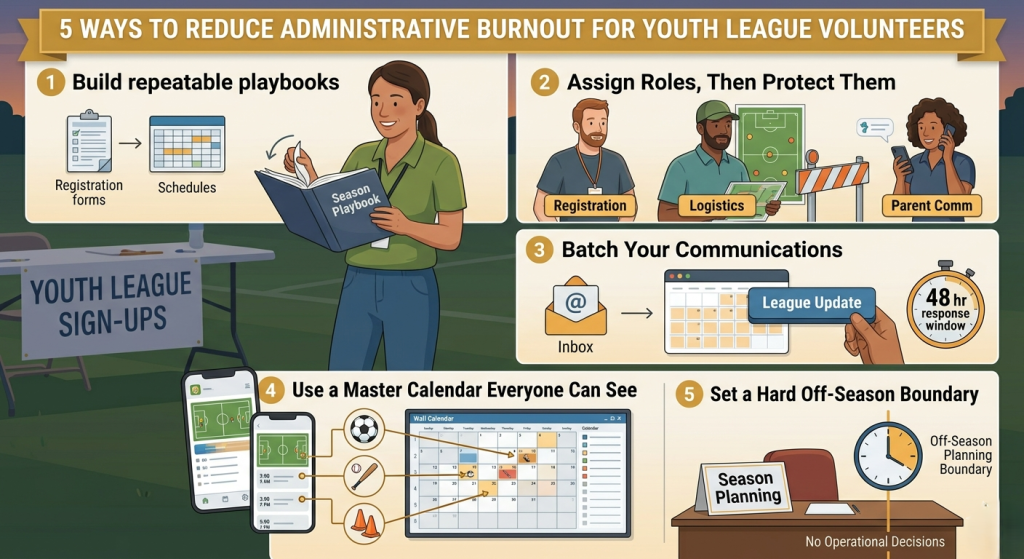
1. Build repeatable playbooks for every activity
Do not “reinvent the wheel” every season. Document
registration
development schedules
resolution of registration conflicts
A one-page process is better than a tribal knowledge system every day of the year.
2. Assign Roles, Then Protect Them
If one person is wearing multiple hats, then it’s a matter of time before burnout kicks in. Establish clearly who’s in charge of registration, field logistics, and parent communication. One person should not do all these tasks alone. These are three distinct roles and require a qualified person to handle them. Overlapping responsibility creates duplicated work and missed handoffs.
3. Batch Your Communications
Send league-wide updates, rather than responding to each and every question. Establish a timeframe (48 hours) for questions to be answered, not right away. With these methods, you get more hours within your week to handle other key tasks.
4. Use a Master Calendar Everyone Can See
Use a calendar that every employee in the league can access to eliminate the I didn’t know calls. One unified calendar eliminates much of the scheduling confusion.
5. Set a Hard Off-Season Boundary
Establish a clear window for making decisions about operations. Use this time for planning for the coming season.
Let Technology Do the Heavy Lifting
Systems beat willpower every time. Leagues that survive for long have eliminated manual tasks. You can structure registration, scheduling, and communication workflows to be automated. This reduces manual tasks that can take up much of your staff’s time. And this is why we built League Time. We give you practical tools, playbooks, and support structure to reduce the administrative load so volunteers can focus on what they showed up for, the game.
Ready to build a league that doesn’t burn your volunteers out? Visit leaguetime.com to explore resources built for organizers like you.
- How to Start a Youth Sports League Without Losing Your Mind

You had the idea. Maybe it was a conversation with another parent at a park, or a gap you noticed in your community, kids with energy and nowhere to channel it. So you decided to start a youth sports league. Now you’re staring at a blank notebook wondering where on earth to begin. This happens to almost everyone. By trade, many league founders are not administrators. Most are coaches, parents, and community members who care deeply. They discover that running a youth sports league is not easy. It is a passion project with lots of logistics nightmares.

To build an effective youth sports league, follow these five core steps:
Know your target sport and age group
Secure a venue
Register your organization
Build a volunteer team
Set up scheduling and payment system
If you follow these five core steps, you can launch your league within 60-90 days. Read on to learn more about how to effectively start a youth sports league and learn tips that will help you along the way.
Why So Many Youth Leagues Struggle to Launch
The intent is almost never the problem. The process is. Here’s what typically derails first-time organizers:
No clear structure from day one resulting in reactive decision-making
Venue and scheduling conflicts which drains all your energy
Registration chaos in form of paper forms, missing waivers, and cash payments that disappear
Volunteer burnout because one or two people are doing a job meant to be done by ten people
No revenue model resulting in you guessing the fees which burns your investments
Youth League Sports Key Variables
Factor Recreational League Competitive League Age Range 5–18 (broad) Often split by 2-year brackets Season Length 6–10 weeks 12–20 weeks Avg. Team Size 8–12 players 10–15 players Cost Per Player $50–$150 $150–$400+ Volunteer Need Low–Medium Medium–High Registration Method Manual or digital Digital strongly recommended Before you start registering players, understand the model you want to build. This is the foundation that determines the success or failure of your league.
A Step-By-Step Process on How to Start a Youth Sports League
Step 1: Define Your League’s Identity First
To establish a League’s identity, you must begin by defining it. Select sport, age groups, and competitive level. Recreational leagues are quicker to get off the ground and have more participants. Competitive leagues take longer but bring about more lasting loyalty.
Step 2: Lock in your venue early
Have a safety officer, a registrar and a scheduler before registration opens. Recruit these individuals personally; do not rely on an intermediary. They are who will determine the success or failure of the league.
Step 3: Register your organization
Registration is dependent on location. This is important because it will help you to decide if you need to become an LLC or a nonprofit. Notify your national governing body (NGB) (USA Soccer, Little League Baseball, etc.) based on the national governing body that is available to you and the league you want to join. The bodies offer insurance, rulebooks and coaching resources.
Step 4: Build your volunteer core
Have a Scheduler, Registrar and Safety Officer before the registration opens. Personally, recruit these people, don’t use an intermediary. It is they who will make this league successful or unsuccessful.
Step 5: Open registration with a real system
Manual operations lead to liability gaps and big headaches. Collect electronic waiver, emergency contacts and payments.
Start Building Your Youth Sports League Today
Starting a youth sports league is a passion project. However, this doesn’t mean that its a simple and easy process. You have to handle administrative hurdles, define your league’s identity, secure venues, and build a volunteer core. If you don’t have a clear structure, you are certain to face issues, such as registration chaos, venue conflicts, and volunteer burnout. But if you follow the steps highlighted in this article, you can start your youth sports league within 60 to 90 days!
League Time is a dedicated community organization focusing on creating positive, well-structured environments where local youth can experience the joy of sports. We bring friends, families, and neighbors together with an intention of teaching young athletes about teamwork, active living, and commitment. Get in touch with us today to find an active local group and find out more about how to start a youth sports league in your area.
- Single Elimination Tournament Brackets
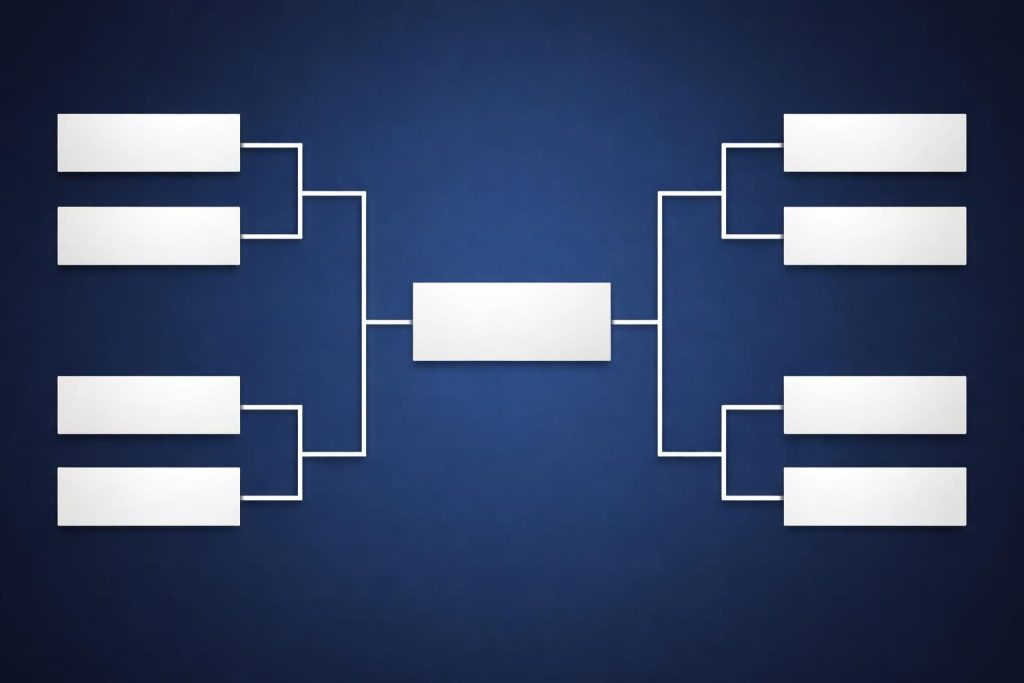
A single-elimination tournament eliminates each team after one loss, winners advance until one champion remains. They are common formats for most sports tournaments especially when there is limited playing fields or time..
Structure
Rounds: organized as rounds (Round of 16, Quarterfinals, Semifinals, Final).
Bracket tree: visualizes matchups. Each match’s winner advances to the next node.
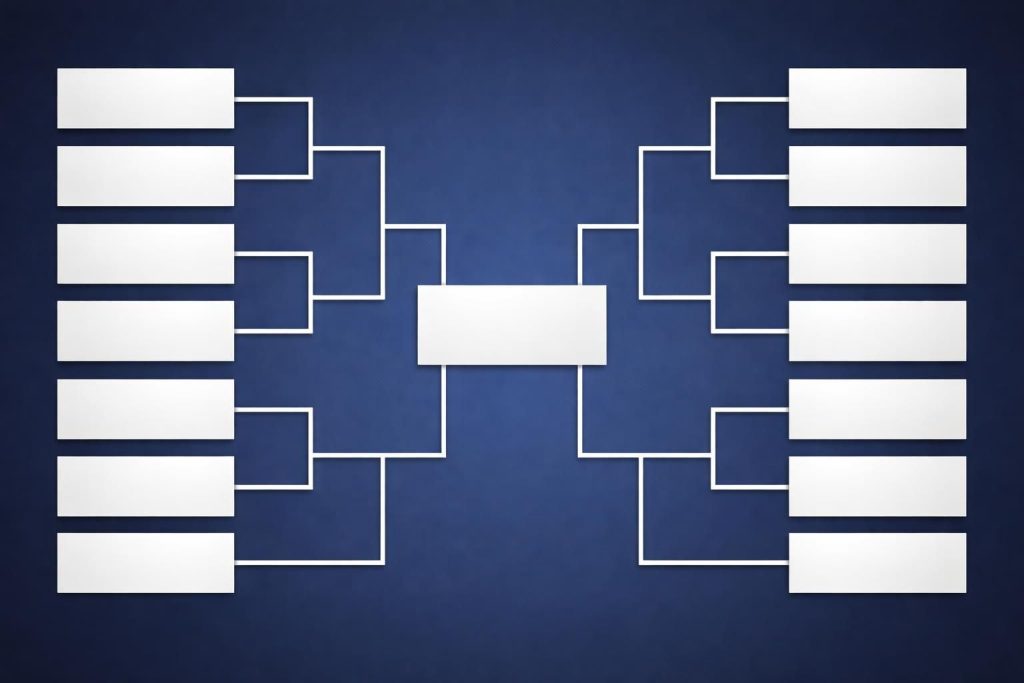
Number of Teams: Works best with a multiple of two (2, 4, 8, 16, 32…). If not, assign byes to the top teams in the season so the second round is even.
Seeding and placement
Seeding ranks participants to spread out top competitors so they meet later and reward performance during the season.
Standard seeding pairs: 1 vs last, 2 vs second-last, etc. (e.g., in 8-player: 1v8, 4v5, 3v6, 2v7).
Alternatives: random draw, protected seeds or regional brackets.
Handling non-multiple-of-two fields
Assign byes to highest seeds so they skip the first round.
Example: 10 teams → next power 16 → 6 byes; seeds 1–6 receive byes, seeds 7–10 play preliminary matches to reach 8.
Scheduling matches
Order rounds so winners have rest time as needed.
Use parallel matches within a round to shorten tournament length.
For bracket fairness, keep consistent match conditions (field, time limits).
Tiebreakers and match rules
Define match length, overtime, tie procedures and substitution/forfeit rules before starting.
For multi-game series, bracket nodes can represent best-of-N instead of single games.
Common variants and considerations
Consolation brackets: give eliminated players more games and determine lower-place rankings.
Double-elimination: allows one loss before elimination.
Third-place match: play a match between semifinal losers if you need a bronze place.
Reseeding vs fixed bracket: reseed each round by remaining seed ranks (keeps highest vs lowest) or keep fixed bracket paths (predictability).
Creating and using a bracket
List entrants and assign seeds (ranked or random).
Determine bracket size and calculate byes if needed.
Place seeds into bracket positions (standard seeding pattern).
Publish bracket and schedule (dates, times, locations).
Play round 1 matches; record winners and update bracket.
Continue through rounds until final; declare champion.
If required, hold consolation/third-place matches.
Practical tips
Use bracket-management software or printable templates for accuracy.
Communicate rules, schedule, and tie procedures to all participants beforehand.
Mark match results promptly and keep a public-updated bracket to avoid confusion.
For fairness, avoid giving excessive rest advantage to some players beyond byes.
You can also always pare down a larger bracket template to match your needs.